Akash Sharma
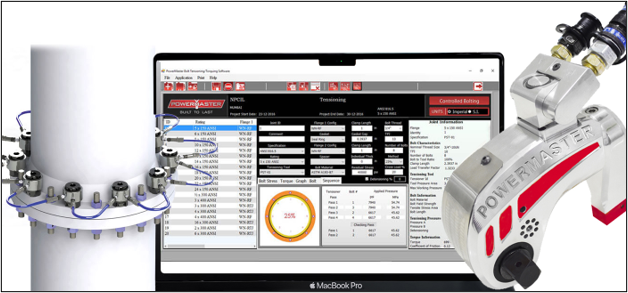
Bolts are essential in the fixation of industrial machinery, pipes, and flanges. However, torquing a bolt alone does not guarantee a safe and reliable assembly. Torque calculation for bolt tightening becomes necessary to achieve the desired clamping load without harming the bolt, causing joint leakage, or equipment failure. The engineer should take into account a number of issues before determining the torque value.
Why Is Torque Calculation Important?
Torque is the force that is applied to the bolt and nut for tightening. It applies tension on the bolt to create the clamping force needed by the bolt.
Under-torque and over-torque may pose problems to either side. In case of under-torque in the nuts, there will be looseness of the joint due to vibration and pressure. Over-torqueing may lead to damage to the thread in the bolt. It is therefore important to calculate the torque in the process of tightening the bolts.
Key Factors That Affect Bolt Tightening Torque
1. Bolt Size and Material
The bolt diameter, size of the threads, grade of material, and tensile strength affect the torque that is needed. The engineer should first confirm the above before setting the torque values. Using a general torque value without taking into account the characteristics of the fastener may lead to under-tightening or over-tightening of the bolt.
2. Friction and Lubrication
Thread friction and friction below the bolt head or nut play a crucial role in determining the relationship between torque and the resultant tension. With different types of lubrication, the frictional situation changes and hence produces different amounts of clamping force even with the same torque.
3. Required Bolt Load and Preload
Preload is defined as the stress imposed on the bolt when the nut is being tightened. The amount of preload required is dependent on various factors, including the design of the joint, the operating conditions of the joint, and the magnitude of the clamping force.
4. Joint Design and Tightening Sequence
The size of the flange, the gasket, bolt pitch, and materials of construction may also affect tightening needs. In systems that use more than one bolt, it is important to follow a proper tightening procedure in order to ensure that the load is properly distributed.
5. Choosing the Right Tools and Calculation Methods
Engineers have access to manufacturer’s specifications, approved torque charts, and even special software that allows them to set appropriate tightening values. To be able to have an accurate “tightening torque calculation for bolts”, it becomes necessary to understand the true situation of the joint in contrast to just using standard values.
This will enable easy generation by software of recommendations regarding torque, bolt stress, and sequence of tightening. Where a joint is not standard, input of certain parameters like the size of bolts, clamp length, and required bolt load may help do some calculations. The engineers need to use proper measuring tools.
Let’s Sum Up!
Accurate torque calculation for bolt tightening helps engineers achieve dependable joints, minimize equipment damage, and maintain industrial safety. Considering friction, bolt properties, preload, and tightening sequences makes tightening torque calculation for bolts more reliable across different applications.
If you are looking for reliable bolting solutions, POWERMASTER Ltd. offers specialized software for torque and tension calculations, bolt stress graphs, and tightening sequences. Explore POWERMASTER Ltd.’s solutions to simplify bolting calculations and support precise, controlled tightening in industrial applications.